Job & Task Scams

Customer Service


Registered address:

26 Station Road, New Barnet, EN5 1QW

Support email:

[email protected]

Support number:

+442039665684

Branch:

1505 Barrington Street, Halifax, NS B3J 3K5

What They Are and How to Avoid Them

Job and task scams are among the most common and deceptive forms of online fraud. Scammers pose as legitimate employers or recruitment agencies, offering attractive remote work opportunities that require victims to pay upfront money or complete tasks that lead to financial loss.

At Advanced Legal Consulting ALC Limited, we assist victims of job and task scams in pursuing recovery through legal investigation and court procedures.

How Job & Task Scams Typically Work

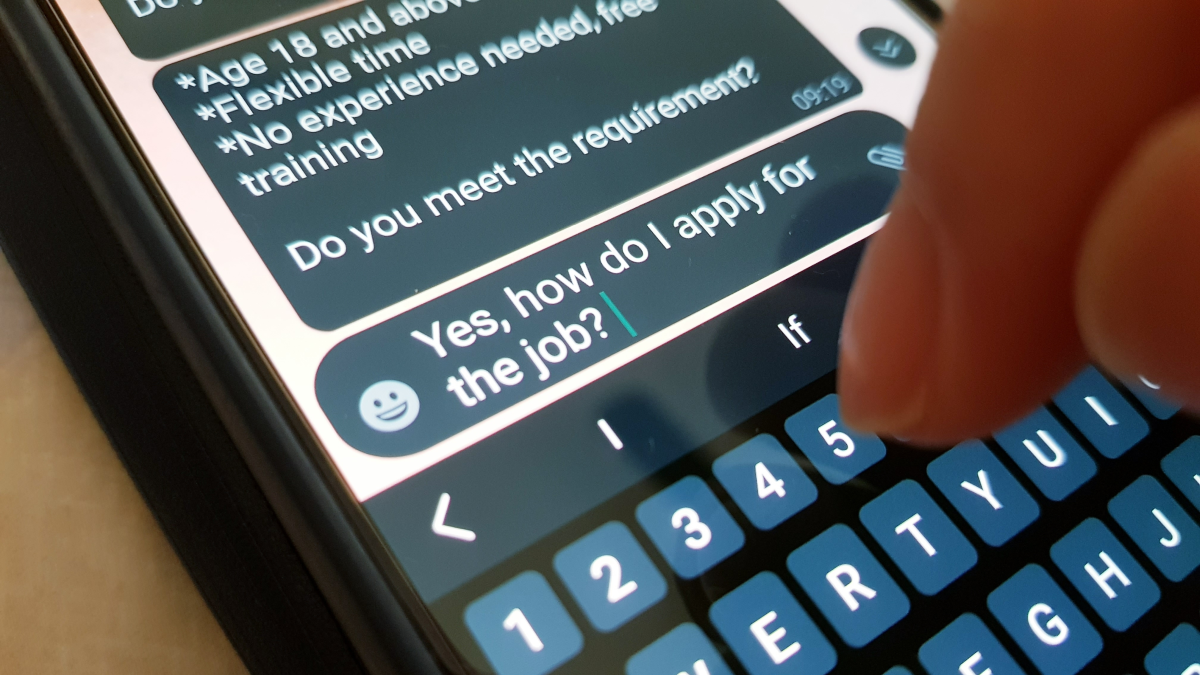
Scammers create fake job offers that sound ideal — high pay, flexible hours, and work-from-home positions. Once the victim shows interest:

  • • They are "hired" quickly with minimal screening.
  • • The victim is asked to pay upfront for "training materials", "equipment", "background checks", or "software licenses".
  • • They are given "tasks" such as reviewing products, making fake purchases, or processing payments.
  • • The victim is told they will be reimbursed plus profit, but payments are never returned.
  • • The scammer eventually disappears or blocks communication.

Common Types of Job & Task Scams

  • • Product Reviewer / Mystery Shopper Scams — Victims are asked to buy products with their own money to "test" them and leave reviews. The company promises reimbursement that never arrives.
  • • Fake Customer Service / Data Entry Jobs — Victims are required to pay for "training" or "access to the system".
  • • Task Apps & Gig Economy Scams — Fake apps promise high earnings for simple tasks but require upfront deposits or lead to financial loss.

Common Warning Signs

  • • Job offers with unusually high pay for minimal work
  • • Requests for upfront payments for equipment, training, or background checks
  • • Poorly written job descriptions with grammatical errors
  • • Pressure to start immediately without proper interviews
  • • Communication only through WhatsApp, Telegram, or personal email
  • • Requests to use your personal bank account for "company transactions"
  • • Vague company details or unverifiable business registration

How to Protect Yourself

  • • Never pay money to start a job — legitimate employers pay you
  • • Research the company thoroughly (check official registries and reviews)
  • • Be suspicious of jobs offered without proper interviews or contracts
  • • Verify the company's registration and physical address
  • • Avoid jobs that require you to use your personal bank account for transfers
  • • If it sounds too good to be true, it almost certainly is

What To Do If You've Been Scammed

If you have lost money through a fake job or task scam, prompt action is important. Preserve all evidence (emails, chat conversations, transfer records, screenshots) and seek professional legal assistance. Recovery may still be possible, especially if payments were made through traceable methods.

Scammers use attractive job offers (such as product reviewer, data entry, or customer service positions) because they seem legitimate and easy. They build trust by "hiring" you quickly, then ask for upfront payments for equipment, training, or tasks. This psychological trick makes victims believe they are starting a real job.

Stop all communication with the scammer, preserve all evidence (emails, chat screenshots, transaction records, payment confirmations), and report it to the police. Then contact a specialized recovery service. The sooner you act, the better your chances of tracing the funds and starting a recovery process.

Legitimate jobs usually involve a proper application process, video interviews, clear contracts, and never ask you to pay money upfront for training, equipment, or "starter kits". Red flags include: unsolicited offers with very high pay for little work, pressure to start immediately, requests for upfront payments, communication only via WhatsApp/Telegram, or asking you to use your personal bank account for "company transactions". If a job offer sounds too good to be true or requires you to send money before you start earning, it is almost certainly a scam.

Yes, it is completely normal. Job scams are professionally designed to look real and target honest, hardworking people. Scammers are experts at manipulation. You are not stupid — you were targeted. Many intelligent and cautious people fall for these scams. Seeking help is the right step.